
Residential removal planning for RedlandsMon-Sat, 7 a.m.-7 p.m.

Attic Junk Removal

For Redlands households, plan attic junk removal around the opening, ladder or stair access, headroom, and the condition of stored items.

Attic Junk Removal planning scene

Common requests

  • Boxed seasonal and household storage
  • Small furniture that fits the access route
  • Loose belongings packed before carrying
  • Approved non-hazardous attic contents

Prepare the route

  • Measure the attic opening and access route
  • Pack loose items into stable containers
  • Describe heat, low headroom, dust, and flooring limits
  • Do not disturb suspect insulation or building materials

What the quote needs to account for

Item count is only the start. Volume, weight, material, disassembly, carrying distance, stairs, and legal disposal requirements can all change the work.

The final scope should be reviewed on site before anything is loaded. Keep items that are staying clearly separate from the approved removal pile.

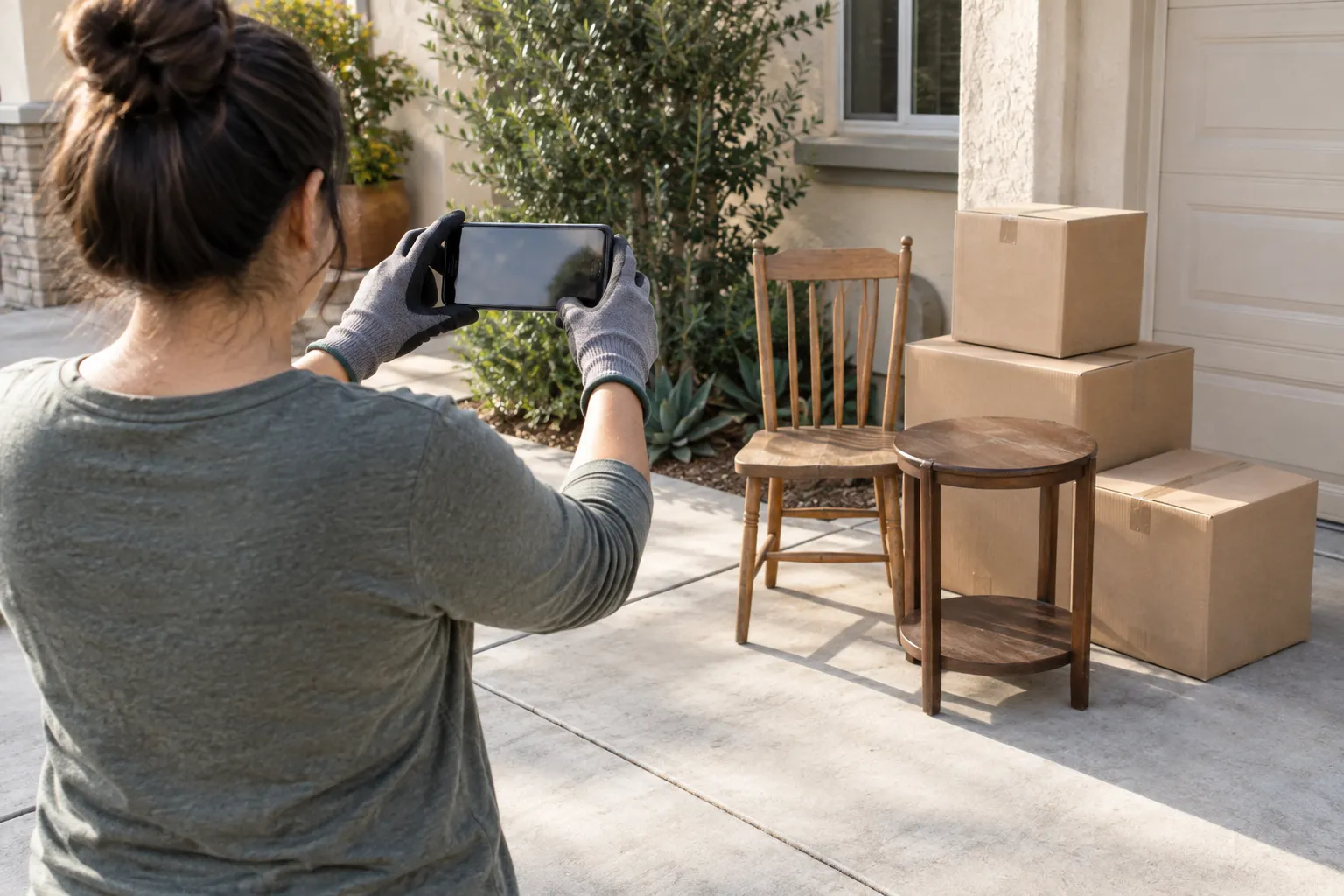
Household items arranged for a removal estimate

What is outside an ordinary household load?

Paint, solvents, fuels, chemicals, batteries, and other hazardous materials need a separate legal disposal route. Do not mix them into the removal pile. Construction material, pianos, safes, hot tubs, and items attached to the building also need advance review because equipment, labor, or disposal rules may differ.

What should you share before the visit?

Give the item list, address, floor level, route from the items to parking, and any timing or property-access limits. Mention glass, sharp edges, pests, water damage, or unusually heavy pieces. A few accurate details are more useful than a vague room count.

How does the work proceed?

The crew checks the approved items and the route out, explains the quote, and starts only after the scope is accepted. If the load changes, stop and review the added items before they are moved.

Know what needs to go?

Write down the items, their location in the home, and the carrying path. Those details make the first conversation useful.